Alston: A Modern Display Font for Makers and Creative Entrepreneurs
There’s a certain quiet moment in my studio, right before a design feels finished, when I hold a freshly printed mockup in my hands. This week, it was a candle label. I’d been wrestling with the text for my new “Forest Rain” scent—the name needed to feel both earthy and modern, substantial yet welcoming. I typed in “Alston,” and suddenly, the design clicked. The thick, brushed letterforms gave the label an immediate presence, an urban coolness that felt exactly right for the brand I was building. This wasn’t just a name; it was a statement.
What is the Alston Display Font?
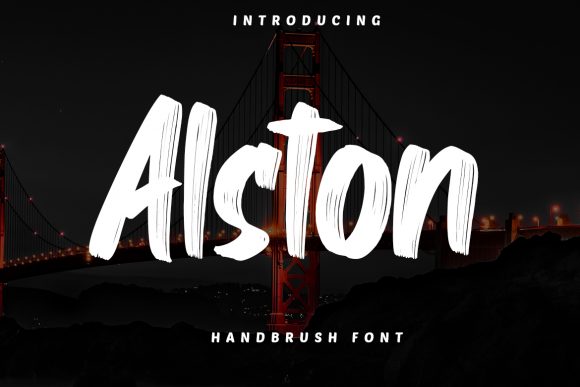
The Alston font is a brushed, thick lettered display typeface. Its visual personality is unmistakably urban and modern, with a generous weight and textured stroke ends that suggest handcrafted confidence. It’s the kind of font that carries a mood instantly—it’s cool without being cold, substantial without being bulky. For a maker, this translates to charm and creative appeal on everything from product tags to digital shop banners. It’s a font that doesn’t whisper; it speaks clearly and with style.
Using Alston for Product Labels and Packaging Design
When I think about Alston for physical products, labels and packaging are the first applications that come to mind. As a display font, its thick letterforms ensure readability even at smaller sizes on jars, bottles, and boxes. I’ve tested it on sticker paper for lip balm tubes and on matte-finish paper for tea bag packaging. The brushed texture adds a tactile, handmade quality that elevates simple packaging into something that feels premium and intentional. Using Alston for your brand name or product title on labels creates instant customer recognition and reinforces a consistent, modern brand identity across your entire line.
Alston Font Readability on Small Stickers and Tags
A crucial consideration for any maker is how a font performs when printed or cut small. Alston’s bold weight holds up beautifully. Whether you’re sending designs to a Cricut or Silhouette for vinyl stickers or printing tiny price tags for a boutique, the characters remain distinct. For the best results, I recommend pairing it with a very simple, clean sans serif font for any supplementary text like ingredients, dates, or short descriptions. This keeps the Alston display font as the hero for your main product name while ensuring all information is perfectly clear.
Alston for Wedding Invitations and Elegant Stationery
The phrase “urban and modern” in Alston’s description might initially suggest a different niche, but this font brings a wonderfully contemporary elegance to wedding designs. I recently used it for a “Welcome” board mockup and for the couple’s names on invitation suites. The thick lettering feels grounded and celebratory, while the brushed texture adds a soft, almost artistic touch. It’s perfect for short, impactful phrases: the wedding date, location, or a meaningful quote on program cards. For longer text like directions or details, I always switch to a complementary serif font. This pairing—Alston for dramatic titles and a classic serif for body text—creates a balanced, sophisticated stationery set that feels both personal and polished.
Designing Greeting Cards and Printable Wall Art with Alston
For greeting cards and digital wall art, Alston acts as a powerful anchor. A simple “Happy Birthday” rendered in this font becomes a bold, graphic statement. It’s incredibly effective for short phrases and decorative wording on printable art intended for framing—think motivational quotes or seasonal greetings. As a printable creator, I find that using Alston in my template previews immediately communicates a modern, design-forward aesthetic to potential customers. It’s suitable for display use right at the top of a card or art print, where it sets the tone for the entire piece.
Seasonal Craft Designs and Holiday Tags Using Alston
Seasonal products demand fonts that can capture a mood quickly. Alston’s robust character makes it fantastic for holiday tags, Halloween sign designs, or Christmas ornament labels. “Merry & Bright” in Alston on a gift tag has a festive weightiness; “Spooky Season” on a porch sign gains an edgy, cool vibe. It adapts well to different color palettes and materials, from foil-pressed cards to simple kraft paper tags. This versatility is key for makers who produce limited-run seasonal items and want a cohesive, recognizable look across their shop.
Alston for Social Media Graphics and Shop Branding
Your font choice extends beyond physical products into the digital space where your brand lives. Using Alston for logos, branding elements, and social media posts creates a seamless visual thread. An Instagram post announcing a new product launch, with the headline in Alston, feels instantly connected to the label on the product itself. It boosts emotional appeal and audience engagement by presenting a consistent, confident brand voice everywhere. For web design elements like shop banners or email newsletter headers, this display font makes your key messages stand out with an urban, modern look that’s memorable.
Font Pairing and Typography for a Cohesive Brand Identity
No font lives alone in a design. Alston shines as a primary display font, but it needs supporting partners for a full typography system. My go-to pairing is a lightweight, geometric sans serif for all secondary text. This contrast allows Alston to be the bold focal point while ensuring readability for longer descriptions on websites, packaging inserts, or product listings. Occasionally, for a more romantic project like wedding stationery, I’ll pair it with a delicate script font for accents, letting Alston handle all the structural titles. Finding the right pairing is essential for building a professional, cohesive brand identity.
Commercial Use and Licensing for Selling Physical Products
Before using any font on products you intend to sell, checking the license is a non-negotiable step. When you purchase the Alston font, confirm it includes a commercial license that covers selling physical merchandise, templates, printables, and digital downloads. Also, review the included file formats to ensure they work with your software—whether you’re designing in Canva, Adobe Illustrator, or using SVG files for cutting machines. Look for any included stylistic alternates or ligatures that can add unique flair to your designs. Understanding these technical details protects your business and allows you to use this creative font with complete confidence.
From the first candle label mockup to the final wedding invitation suite, Alston has proven itself as a versatile, characterful tool in my maker’s toolkit. It’s a font that translates a modern, urban coolness into tangible warmth on handmade goods. It affects product presentation by adding perceived quality and a distinct personality. Whether you’re pressing it onto a t-shirt, printing it on a tote bag, or setting it as the headline on your next digital printable, Alston provides that essential, bold voice. It’s more than a typeface; it’s a design asset that helps tell your brand’s story, one thick, brushed letter at a time.